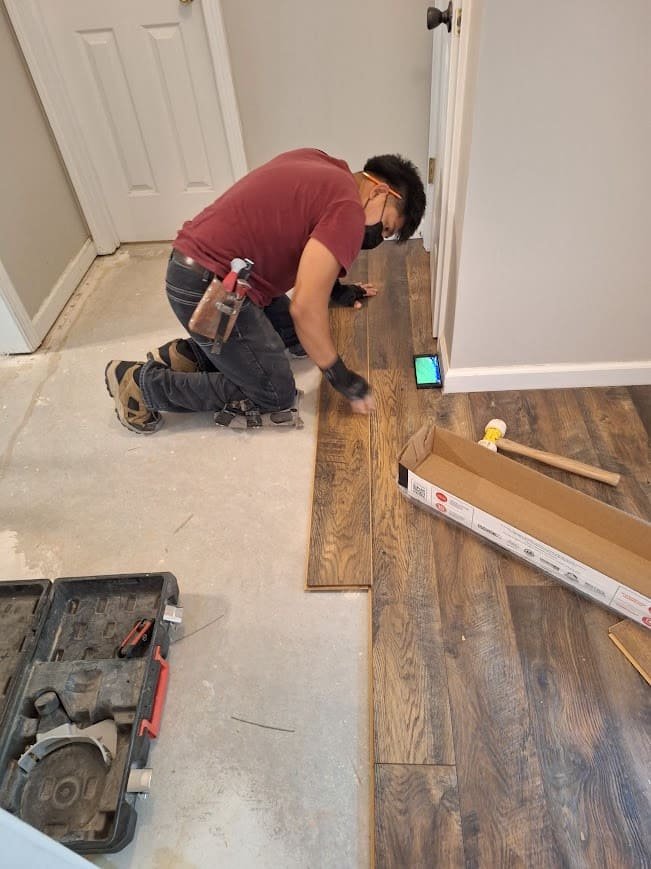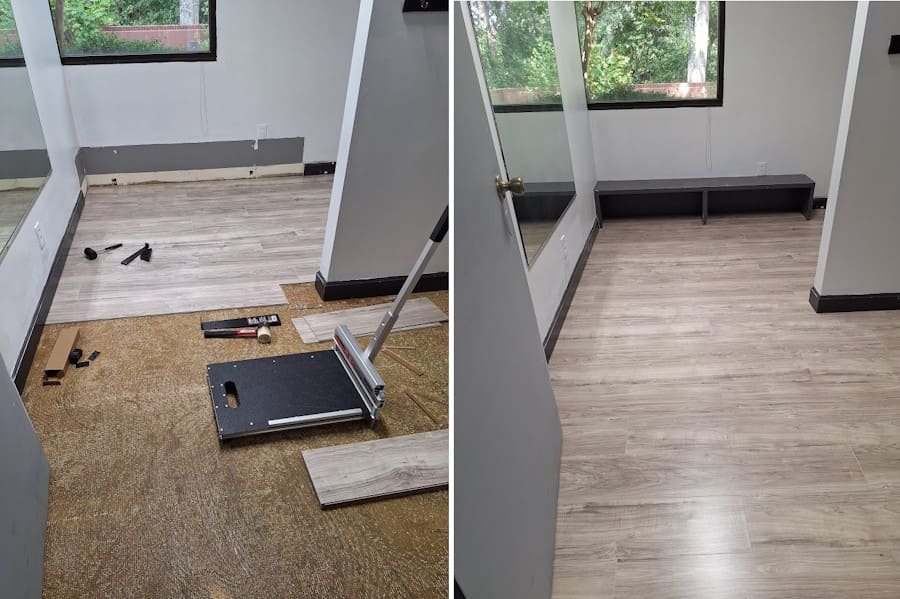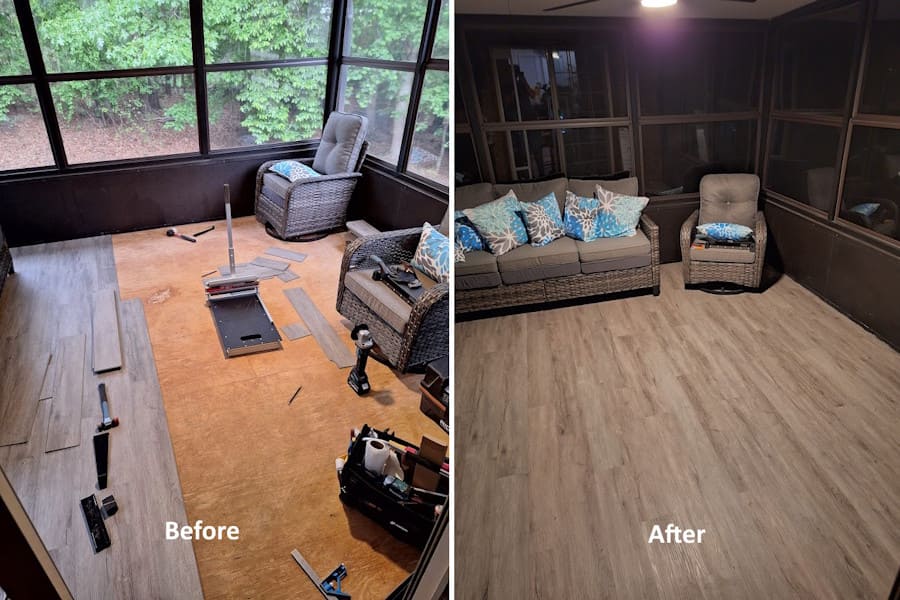
Professional Bathroom Remodeling in Metro Atlanta
Bathroom remodeling is the process of improving or completely renovating a bathroom to address outdated finishes, damaged surfaces, poor layout, limited storage, or an inefficient shower and bathtub configuration. Depending on the project, remodeling may include demolition, plumbing and electrical updates, waterproofing, tile installation, flooring, vanity replacement, shower remodeling, or a complete bathroom renovation.
At Handyman Expert, we handle bathroom remodeling projects for homeowners throughout Metro Atlanta and North Georgia. From a complete bathroom renovation to a tub-to-shower conversion, shower remodel, small bathroom remodel, tile installation, or bathroom refresh, we plan the work around the existing bathroom, the desired improvements, and the project budget.
Bathroom Remodeling Services We Provide
Full Bathroom Remodeling
A full bathroom remodel involves multiple parts of the bathroom rather than a single cosmetic update. Depending on the scope, the project may include demolition, removal of an existing tub or shower, plumbing and electrical work, waterproofing, tile installation, flooring, vanity and countertop installation, lighting, fixtures, and finishing work.
The existing layout can often be retained when it works well, which may reduce unnecessary plumbing changes. When the layout is inefficient, we can evaluate whether relocating fixtures would improve the bathroom and fit the project requirements.
Tub-to-Shower Conversion
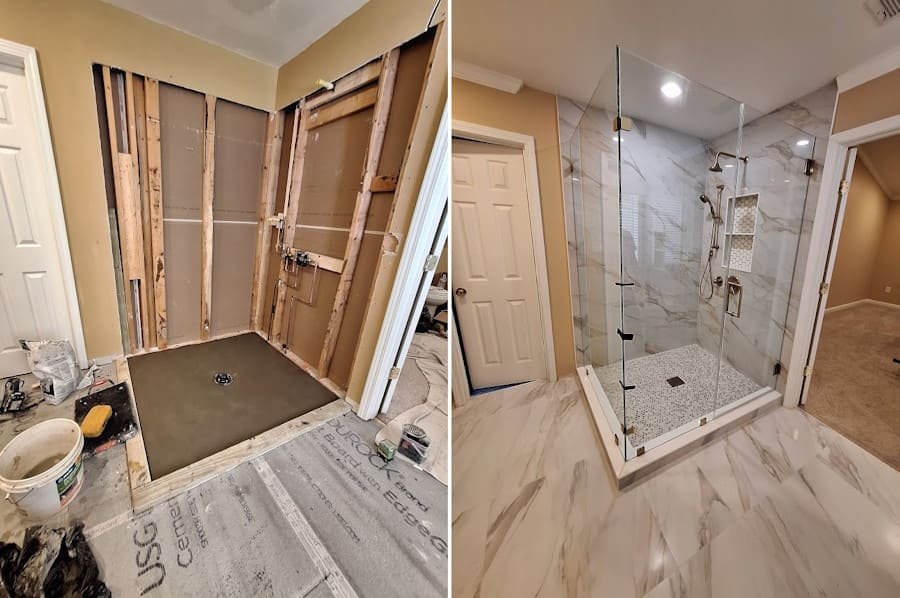
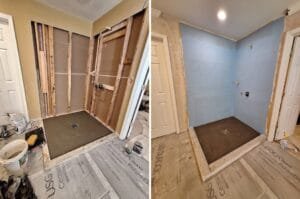
A tub-to-shower conversion replaces an existing bathtub with a shower. This is one of the most practical bathroom remodeling options for homeowners who prefer a more accessible and functional shower.
A typical tub-to-shower conversion can include:
- Removal of the existing bathtub
- Preparation of the shower area
- Shower base or custom shower floor
- Drain and plumbing adjustments when required
- Waterproofing system
- Shower wall tile
- Shower fixtures
- Recessed shower niche
- Shower door or glass enclosure
- Bench or grab bars when appropriate
The existing plumbing location and bathroom structure determine how much modification is required. Keeping the shower in the existing tub location can simplify the project compared with moving the entire plumbing layout.
Shower Remodeling & Waterproofing
A shower remodel can range from replacing an outdated shower surface to rebuilding the entire shower area.
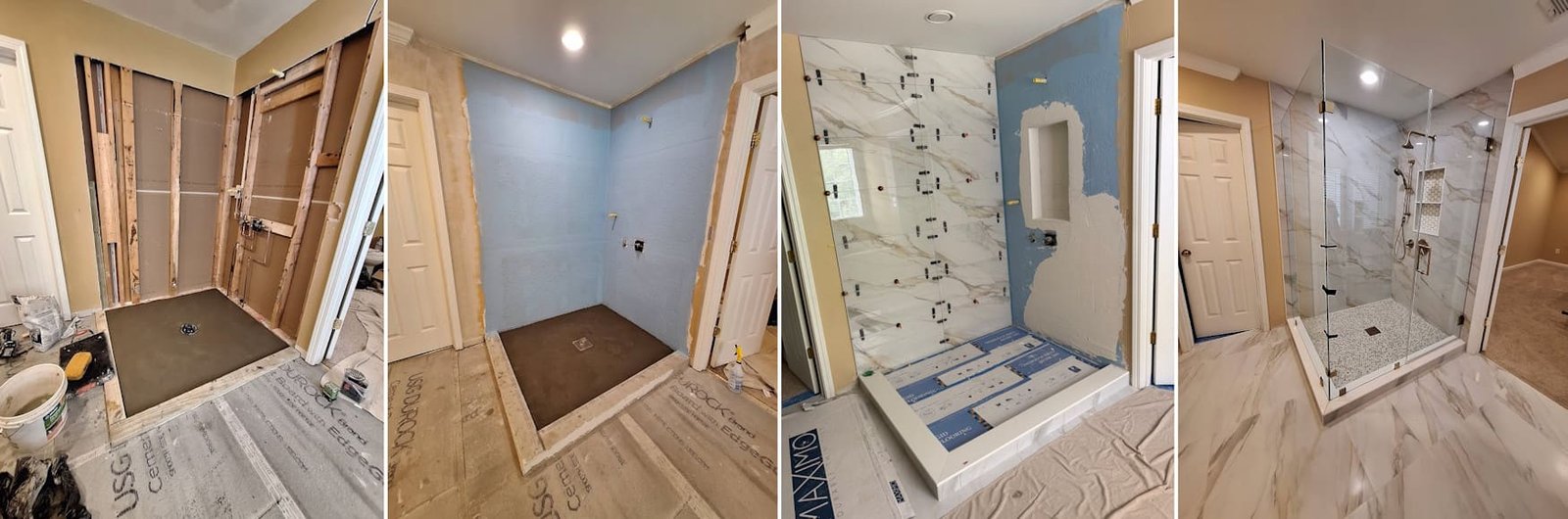
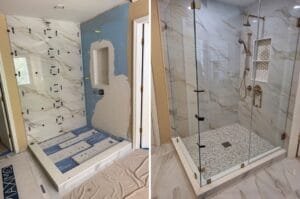
Depending on the project, shower remodeling may include demolition, shower pan or base installation, waterproofing, wall preparation, tile installation, a new shower valve and fixtures, niche installation, bench construction, and a shower door or glass enclosure.
Waterproofing is an essential part of a tiled shower. Tile and grout are not, by themselves, a waterproofing system. The shower walls, corners, transitions, and floor require an appropriate waterproofing method installed according to the selected system and manufacturer requirements.
We also evaluate the shower floor slope and drain area so water can flow properly toward the drain rather than remaining on the surface.
Small Bathroom Remodeling
A small bathroom remodel requires careful planning because every part of the available space matters. A bathroom does not necessarily need a larger footprint to become more functional.
Depending on the existing layout, improvements may include replacing an oversized vanity, converting a tub to a shower, improving storage, using a recessed shower niche, changing the location or size of fixtures, installing a glass shower enclosure, or selecting tile and finishes that work well in a compact space.
The goal is to use the available area efficiently while maintaining appropriate clearances and practical access to the fixtures.
Bathroom Tile Installation
Tile is commonly used on bathroom floors, shower walls, shower floors, and other wet-area surfaces.
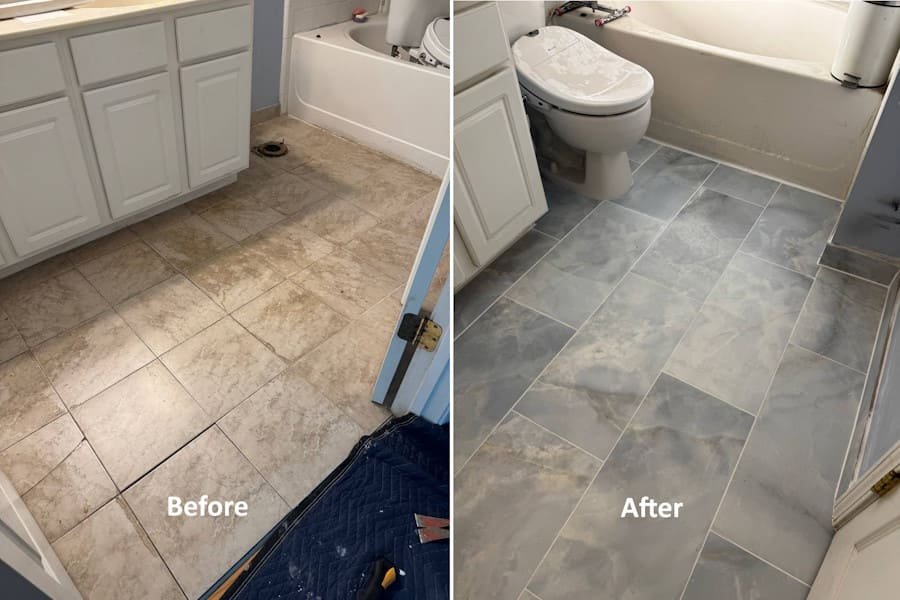
Our bathroom tile work can include removal of existing tile, surface preparation, underlayment or backer-board installation when required, layout and cutting, tile installation, grout, caulking, and finishing transitions.
For shower installations, tile work is coordinated with the waterproofing system rather than treated as a separate cosmetic layer.
Bathroom Vanity & Fixture Updates
Replacing the vanity and fixtures can significantly change the appearance and functionality of a bathroom without requiring a complete renovation.
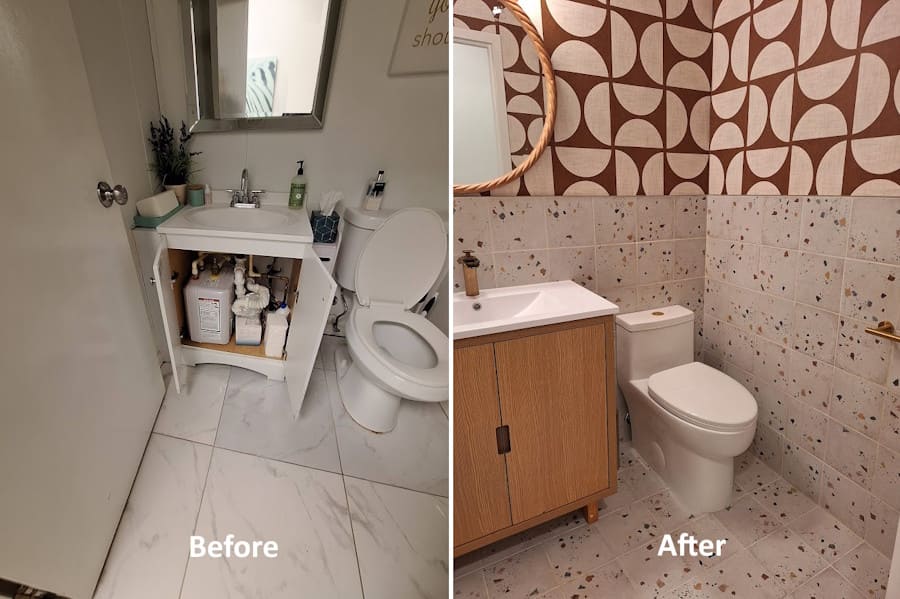
Depending on the project, updates may include: Bathroom vanity, Countertop, Sink, Faucet, Mirror, Toilet, Lighting, Shower fixtures and Bathroom hardware.
When replacing fixtures, we consider the existing plumbing connections, dimensions, wall conditions, and finished-floor height before installation.
Bathroom Refresh (Budget Update)
Not every bathroom needs a complete remodel. A bathroom refresh focuses on selected improvements while keeping most of the existing bathroom intact.
A refresh may include new paint, vanity and faucet replacement, mirror and lighting updates, new hardware, replacement of damaged flooring, or other finish improvements.
This approach can make sense when the existing layout, plumbing, shower, and major surfaces are still in good condition and the homeowner primarily wants an updated appearance.
Our Bathroom Remodeling Process
Consultation and Estimate
We begin by discussing what needs to change, what should remain, and what problems the existing bathroom has. We evaluate the current layout, finishes, shower or tub, flooring, vanity, and visible surface conditions.
The estimate is based on the actual scope of work rather than simply the size of the bathroom.
Planning, Measurements and Material Selection
Accurate measurements are important for bathroom remodeling because fixtures, tile layouts, shower doors, vanities, and other components must work together within a limited space.
We review the project dimensions and material selections before installation. This is particularly important for shower bases, vanities, tile patterns, niches, doors, and transitions between different flooring materials.
Demolition and Removal
Existing fixtures and finishes are removed according to the project scope. This may include a bathtub, shower, vanity, toilet, flooring, wall tile, or other materials.
During demolition, previously concealed conditions can become visible. Damaged substrate, deteriorated materials, or plumbing issues may require additional work before the new bathroom can be installed correctly.
Plumbing and Electrical
Bathroom remodeling may require plumbing or electrical modifications depending on the design.
Plumbing work can include changes related to a shower valve, drain, faucet, sink, toilet, or other fixtures. Electrical work may involve lighting, switches, outlets, exhaust fans, or other components.
The exact scope depends on the existing installation and the planned improvements. Work is performed according to applicable requirements and project conditions.
Waterproofing and Surface Preparation
Proper preparation is critical before tile and other finished surfaces are installed.
In shower areas, the waterproofing system must be appropriate for the application and installed continuously at critical areas such as corners, seams, penetrations, and transitions.
Other surfaces may require leveling, patching, backer board, underlayment, or other preparation before the finished material is installed.
Tile, Fixtures and Finish Installation
Once the underlying surfaces are properly prepared, the finished components can be installed.
This may include shower and bathroom tile, flooring, vanity, countertop, sink, faucet, toilet, shower fixtures, mirror, lighting, trim, hardware, and shower doors.
Tile layout is planned before installation to minimize awkward cuts and maintain a consistent appearance around corners, niches, fixtures, and other transitions.
Final Walkthrough and Cleanup
The final stage includes checking the completed work, reviewing the installed components, addressing finishing details, and cleaning the work area.
The goal is to leave the remodeled bathroom ready for normal use after any required curing, drying, or manufacturer-specified waiting periods.
Materials and Finishes We Work With
Wall and Shower Tile
Bathroom and shower walls can be finished with ceramic, porcelain, glass, stone, or other suitable tile products.
Tile selection depends on the design, location, maintenance requirements, dimensions, and installation system. Large-format tile can reduce the number of grout joints, while smaller tile can be useful for shower floors and areas requiring more flexibility around slopes or details.
Bathroom Flooring
Bathroom flooring needs to tolerate moisture and regular use while providing a practical finished surface.
Common options include porcelain tile, ceramic tile, and suitable luxury vinyl flooring products. The correct installation method depends on the flooring material and the existing subfloor.
Vanities and Countertops
Bathroom vanities are available in many sizes, configurations, and materials. The correct vanity depends on the available wall space, plumbing location, storage requirements, sink configuration, and desired countertop.
Before installation, we verify the dimensions and location of plumbing connections so the new vanity fits the space properly.
Shower Doors and Hardware
A remodeled shower can use a framed or frameless-style glass enclosure, depending on the design and selected product.
Hardware such as shower fixtures, handles, towel bars, niches, and other accessories should be coordinated with the overall bathroom design and installed at appropriate locations.
Bathroom Remodeling Cost in Atlanta
Bathroom remodeling costs vary widely depending on the scope of work, so the ranges below are a starting point — your written estimate after a free consultation will reflect your specific project.
| Project Type | Typical Range |
|---|---|
| Bathroom refresh (paint, fixtures, vanity top) | $1,500 – $4,000 |
| Tub-to-shower conversion | $4,000 – $10,000 |
| Bathroom tile installation | $2,000 – $6,000 |
| Small bathroom remodel | $3,000 – $15,000 |
| Full bathroom remodel | $8,000 – $25,000 |
Prices are estimates only. Final pricing depends on materials selected, the condition of existing plumbing and electrical, and the scope of the project.
What Affects the Cost
The biggest factors are the extent of demolition required, whether plumbing or electrical needs to be relocated, the materials you choose (tile, vanity, and fixtures can vary significantly in price), and whether waterproofing or subfloor repairs are needed once the old surfaces come out.
Bathroom Remodel vs. Bathroom Refresh: Which Do You Need?
A bathroom refresh is generally appropriate when the existing layout and major components are functional and the main goal is to update the appearance.
A bathroom remodel involves more substantial work. It may include replacing the shower or bathtub, changing flooring and tile, updating plumbing or electrical components, replacing the vanity, improving storage, or addressing damaged surfaces.
For example, replacing a vanity, mirror, faucet, and lighting can be a refresh. Removing a bathtub, building a new shower, waterproofing the shower walls and floor, installing tile, and replacing the vanity is a more substantial bathroom remodel.
The right approach depends on the condition of the existing bathroom and what you want the finished space to accomplish.
How Long Does a Bathroom Remodel Take?
The duration of a bathroom remodel depends on the scope of work and the condition of the existing bathroom.
A simple bathroom refresh can require substantially less time than a full renovation involving demolition, plumbing changes, waterproofing, tile installation, flooring, fixtures, and a shower enclosure.
The schedule can also be affected by material availability, concealed conditions discovered during demolition, required drying or curing time, and the sequence of different trades and installations.
A realistic schedule should therefore be established after the bathroom has been evaluated and the scope and materials have been selected.
Common Bathroom Remodeling Problems We Fix
Bathroom remodeling often involves more than replacing visible finishes. Existing problems may become apparent when old materials are removed.
Common issues include:
Poor shower waterproofing.
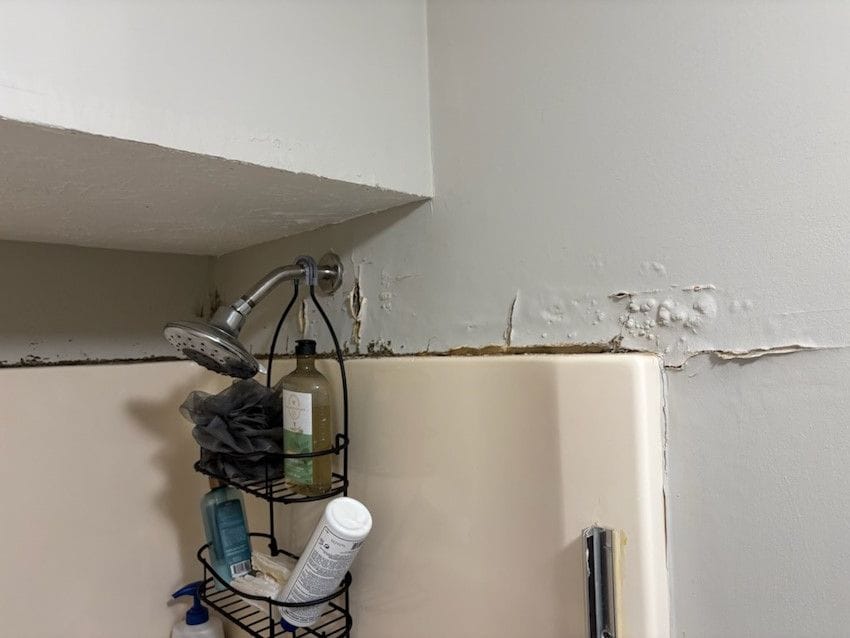
Water can reach the underlying structure when the shower waterproofing system is incomplete or improperly installed.
Damaged or uneven surfaces.
Walls and floors may require repair or leveling before new tile or flooring can be installed properly.
Improper shower drainage.
A shower floor needs the appropriate slope toward the drain. Poor drainage can leave standing water on the finished surface.
Deteriorated subfloor.
Long-term moisture exposure can damage wood-based subfloor materials. The condition needs to be evaluated before new flooring is installed.
Poorly planned tile layouts.
Starting tile installation without planning the layout can result in narrow cuts, inconsistent joints, or awkward transitions around fixtures.
Inefficient bathroom layouts.
An oversized vanity, poorly positioned fixtures, or an underused tub area can make a small bathroom feel unnecessarily crowded.
Insufficient ventilation.
Bathrooms produce significant moisture. An appropriately functioning exhaust fan and proper ventilation are important for managing humidity.
Addressing these conditions before the finished materials are installed helps create a bathroom that is not only visually updated but also properly prepared underneath.
Why Choose Handyman Expert
Bathroom remodeling requires careful coordination of demolition, surface preparation, waterproofing, tile installation, fixtures, and finishing work. At Handyman Expert, we approach each project as a complete remodeling scope rather than a collection of separate repairs.
Whether you are planning a full bathroom renovation, tub-to-shower conversion, shower remodel, small bathroom remodel, tile installation, vanity and fixture update, or a budget-friendly bathroom refresh, we focus on understanding the entire project before work begins.
We clearly define the scope of work, help coordinate appropriate materials, and properly prepare the existing surfaces before installing new finishes. This approach helps keep the remodeling process organized and ensures that important work beneath the finished surfaces is not overlooked.
Frequently Asked Questions
How much does a bathroom remodel cost in Atlanta?
The cost depends on the scope of work, bathroom condition, materials, plumbing and electrical requirements, tile, waterproofing, fixtures, and other project-specific factors. A tub-to-shower conversion or full renovation will have different requirements from a basic bathroom refresh.
Can you convert a bathtub into a shower?
Yes. A tub-to-shower conversion can replace the existing bathtub with a shower base or custom shower floor, waterproofed walls, tile, shower fixtures, and a shower door or glass enclosure. The existing plumbing and bathroom configuration determine the exact scope.
Can you remodel a small bathroom?
Yes. Small bathroom remodeling often focuses on improving the existing layout, storage, shower configuration, vanity size, lighting, and material selection without increasing the room’s footprint.
Can I remodel only my shower?
Yes. A shower can be remodeled independently when the surrounding bathroom does not require a complete renovation. The project may include demolition, waterproofing, shower tile, fixtures, shower base or floor, niche, and shower enclosure.
Do shower walls need waterproofing under the tile?
Yes. In a properly constructed tiled shower, the tile and grout should be installed over an appropriate waterproofing system. Tile and grout themselves should not be relied upon as the primary waterproofing layer.
Can you remodel a bathroom without changing the layout?
Yes. Keeping the existing layout can often simplify a remodel and reduce the need for plumbing relocation. Whether the existing configuration should be retained depends on its condition and functionality.
What is included in a full bathroom remodel?
A full bathroom remodel can include demolition, plumbing and electrical work, surface preparation, waterproofing, tile, flooring, vanity and countertop, fixtures, shower doors, lighting, hardware, and finishing work. The exact scope is established for each project.
What is the difference between a shower remodel and a tub-to-shower conversion?
A shower remodel updates or rebuilds an existing shower. A tub-to-shower conversion removes an existing bathtub and creates a shower in its place. Both projects can include waterproofing, tile, fixtures, and a shower enclosure.
What type of flooring is suitable for a bathroom?
Porcelain tile, ceramic tile, and suitable luxury vinyl flooring are common options. The best choice depends on the bathroom conditions, subfloor, installation requirements, design, and intended use.
How long does a bathroom remodel take?
There is no single timeline that applies to every bathroom. Demolition, plumbing, waterproofing, tile installation, curing and drying requirements, fixtures, material availability, and unexpected existing conditions can all affect the schedule.
Get a Free Bathroom Remodeling Estimate
Planning a bathroom remodel in Atlanta, GA? Handyman Expert can evaluate your existing bathroom, discuss the improvements you want to make, and define the work required for your project.
Whether you need a full bathroom remodel, tub-to-shower conversion, shower remodel, small bathroom renovation, bathroom tile installation, vanity replacement, or a budget bathroom refresh, contact Handyman Expert to discuss your project and request an estimate.
We provide bathroom remodeling services throughout Metro Atlanta and North Georgia, including Atlanta, Alpharetta, Roswell, Marietta, Cumming, Norcross, Sandy Springs, Johns Creek, and Dunwoody